
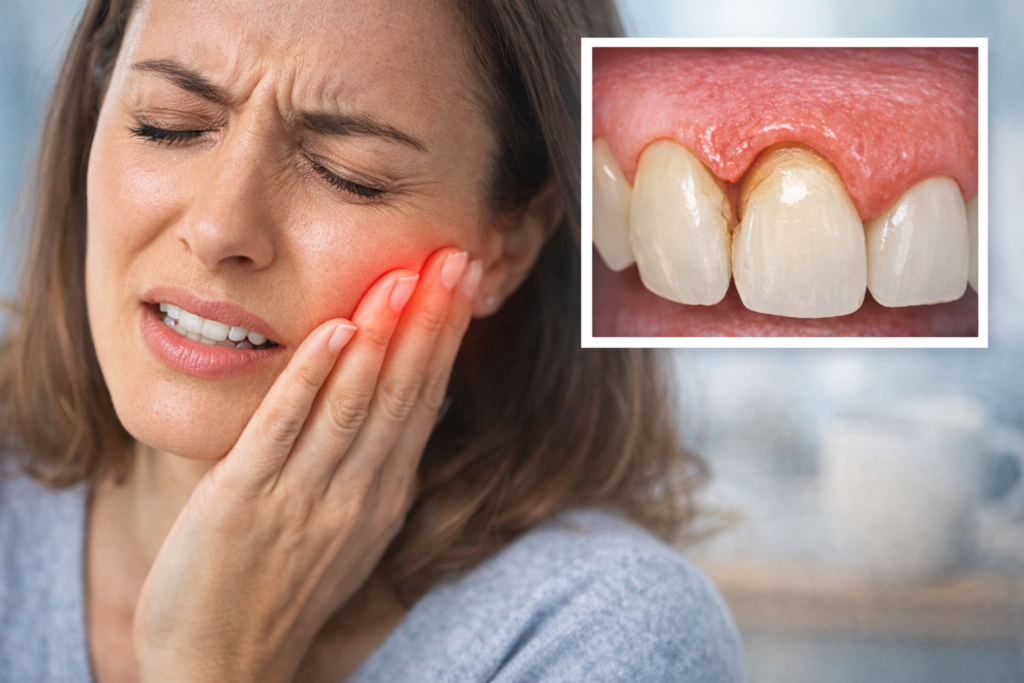
Sensitive teeth that flare up with every sip of coffee. A smile you’ve started hiding in photos. Gums pulling away and exposing more teeth than they should. These aren’t just cosmetic annoyances. They’re signs that the tissue protecting your teeth is breaking down, and the longer it goes unaddressed, the more you risk permanent tooth and bone loss.
If you’ve been putting off a gum graft because it sounds intimidating, you’re not sure what it involves, or you’re working off outdated information, this guide is for you. Modern gum grafting is far more refined than it used to be, and understanding your options is the first step toward getting your comfort, confidence, and long-term dental health back.
What Is a Gum Graft?
A gum graft is a periodontal procedure that replaces or reinforces lost gum tissue around one or more teeth. It involves taking a small amount of soft tissue, either from the roof of your mouth or a donor source, and attaching it to the area where gum coverage has thinned or disappeared.
The procedure treats a range of conditions, including gum recession, root exposure caused by aggressive brushing or periodontal disease, and thin gum tissue that puts teeth at higher risk of future damage. It also plays a role in preparing the gum line before or after dental implants, where adequate tissue volume is critical to long-term success.
The goal is threefold: stop further tissue loss, protect the exposed tooth root from decay and sensitivity, and restore a healthier, more even gum line.
Types of Gum Grafts
Not all gum grafts are the same. The right approach depends on how much tissue has been lost, where it’s located, and the thickness of your existing gum tissue. At Justin M. Schlaikjer DDS Periodontics and Implant Dentistry, the type of graft recommended is always based on what will give you the best functional and aesthetic outcome for your specific situation.
Connective Tissue Graft
A small flap is made in the roof of your mouth, and tissue from underneath is removed and stitched to the grafting site. This is the most widely used technique because it covers exposed roots effectively, builds gum volume, and leaves the palate in good shape for healing. Best for: patients with noticeable recession, visible root exposure, or tooth sensitivity caused by thinning gums.
Free Gingival Graft
A thin layer of tissue is taken directly from the surface of the palate and placed at the treatment site. It’s less about covering recession and more about thickening gum tissue that’s too thin to hold up over time. Best for: patients whose gums are naturally thin and at high risk of future recession, even if significant recession hasn’t happened yet.
Pedicle Graft
Instead of sourcing tissue from the palate, this technique uses gum tissue already sitting next to the affected tooth. It’s rotated or stretched over the exposed area and secured in place. Because the blood supply stays connected, healing tends to be smooth and fast. Best for: patients who have enough healthy gum tissue near the problem area and want to avoid a second surgical site on the palate.
What Happens During the Procedure?
For most patients, the idea of the procedure is more intimidating than the procedure itself. Here’s a straightforward look at what to expect from start to finish.
- Step 1: Numbing and Comfort Prep The treatment area and, if applicable, the palate are numbed with local anesthesia before anything begins. Most patients feel pressure but little to no pain. If you experience dental anxiety, sedation options are available to keep you relaxed and comfortable throughout.
- Step 2: Preparing the Recipient Site Dr. Schlaikjer carefully prepares the area where the new tissue will be placed, creating a small space for the graft to attach and integrate properly with your existing gum tissue.
- Step 3: Harvesting or Repositioning the Graft Depending on the type of graft, tissue is either taken from the roof of your mouth or gently repositioned from healthy gum tissue already adjacent to the affected tooth.
- Step 4: Placing and Securing the Graft The tissue is precisely positioned for the best possible coverage and secured with sutures. The entire appointment typically takes one to two hours depending on how many teeth are being treated.
- Step 5: Heading Home the Same Day Gum grafting is an outpatient procedure. You’ll leave the same day with aftercare instructions, and while there are some dietary and activity restrictions in the first week or two, most patients return to their normal routine fairly quickly.
How Much Does a Gum Graft Cost?
Gum graft costs vary, and there’s no single number that applies to every patient. The final cost reflects the specifics of your case, which is why a consultation is always the right starting point before making any financial decisions. The factors that most commonly influence cost include:
- Number of teeth being treated. A single tooth graft and a multi-tooth graft are priced very differently. The more sites being addressed, the higher the overall cost.
- Type of graft performed. Connective tissue grafts, free gingival grafts, and pedicle grafts each involve different levels of complexity, which is reflected in pricing.
- Severity of recession or tissue loss. More advanced cases require more tissue, more precision, and more time, all of which affect cost.
- Whether sedation is used. If you opt for sedation beyond local anesthesia, that will factor into the total.
- Insurance coverage. Many dental insurance plans cover gum grafts, at least partially, when the procedure is deemed medically necessary. It’s worth checking your specific plan before your consultation.
At Justin M. Schlaikjer DDS, financing options through CareCredit and LendingClub are available to help make treatment more accessible, regardless of where your insurance coverage lands.
What to Expect After a Gum Graft
The first two weeks are the most important. Sticking to soft foods, avoiding anything crunchy or chewy, and keeping the surgical site undisturbed gives the graft the best possible chance to integrate and heal properly. Most patients are surprised by how manageable recovery feels when they follow their post-op instructions closely.
The one mistake that sets recovery back the most? Going back to normal too soon. Skipping rest, returning to intense physical activity too early, or brushing near the graft site before you’re cleared to do so can disrupt the healing tissue. Follow Dr. Schlaikjer’s aftercare guidance closely, and your recovery will be far smoother than you might expect.
Why See a Periodontist for Gum Grafting in Sunset Hills, MO
Gum grafting is a surgical procedure, and who performs it matters. Periodontists complete three additional years of post-doctoral training beyond dental school, focused exclusively on the gum tissue and structures that support your teeth. That specialization makes a real difference in both the precision of the procedure and the quality of your results.
At Justin M. Schlaikjer DDS Periodontics and Implant Dentistry, Dr. Schlaikjer brings over a decade of specialized experience serving patients across the St. Louis area. For patients whose recession is tied to underlying periodontal disease, LANAP laser therapy is also available to treat the root cause alongside the graft, giving your results the best chance of lasting.
Get Evaluated By Our Periodontist in Sunset Hills, MO
If you’ve noticed sensitivity, visible root exposure, or gums that don’t look quite right, getting evaluated by a periodontist, not just a general dentist, gives you a level of diagnostic accuracy that makes a real difference. Periodontists spend their careers focused exclusively on gum tissue and the structures that support your teeth. That specialization means nothing gets overlooked.
As the best periodontist in Sunset Hills, Dr. Shclaikjer welcomes patients from Ballwin, Fenton, and communities throughout the greater St. Louis area. Call 314-729-7840 to schedule your visit. The sooner you know, the more options you have.
Frequently Asked Questions
Is a gum graft painful?
Most patients are surprised by how tolerable the procedure is. Local anesthesia keeps you comfortable throughout, and sedation is available if dental anxiety is a concern. After the procedure, some soreness and swelling are normal for the first few days. Most patients manage comfortably with prescribed or over-the-counter pain medication, cold compresses, and soft foods while the site heals.
How long does a gum graft last?
When performed by a specialist and properly cared for, gum grafts are designed to be a long-term solution. Keeping your results intact comes down to a few consistent habits: brushing gently with a soft-bristled toothbrush, flossing daily without snapping the floss into the gum line, staying current with your periodontal maintenance visits, and addressing any teeth grinding with a night guard if recommended.
Can I wait on a gum graft?
Gum tissue doesn’t grow back on its own. The longer recession or tissue loss goes untreated, the more tooth structure and potentially bone becomes exposed and vulnerable. What starts as a manageable single-tooth case can progress into multiple sites requiring more extensive treatment, and in severe cases, tooth loss. Earlier treatment means simpler treatment.
Will my insurance cover a gum graft?
Many dental insurance plans cover gum grafts partially or in full when the procedure is medically necessary. Before your consultation, call your insurance provider and ask specifically whether periodontal surgical procedures are covered under your plan and what your out-of-pocket maximum is. Financing through CareCredit and LendingClub is also available at our office for anything not covered.
Do I need a referral to see Dr. Schlaikjer?
No referral is needed. You’re welcome to contact our dental office in Sunset Hills at 314-729-7840 to schedule a consultation at any time. Many of our patients come to us on their own after noticing changes in their gums or being told by their hygienist that recession is something to watch.


