
Gum disease is a prevalent issue that affects a significant portion of the adult population worldwide. Traditional treatments often involve invasive procedures, which can be uncomfortable and require extended recovery periods. However, advancements in dental technology have introduced the LANAP (Laser Assisted New Attachment Procedure), a cutting-edge laser treatment offering a less invasive alternative for gum disease. For those exploring options for periodontal care, understanding LANAP is crucial.
Understanding Gum Disease and Its Implications
Gum disease, or periodontal disease, begins with bacterial growth in your mouth and may end with tooth loss due to destruction of the tissue that surrounds your teeth. The two major stages of gum disease are gingivitis and periodontitis. Gingivitis is the milder form and is typically reversible with good oral hygiene and professional treatment. However, if left untreated, it can progress to periodontitis, a more severe condition.
Periodontitis is characterized by inflammation around the tooth, leading to the destruction of supporting bone and tissue. This condition can have systemic implications, potentially increasing the risk of heart disease, diabetes, and other health issues. Therefore, effective treatment of gum disease is essential not only for oral health but for overall health.
What Is LANAP and How Does It Work?
LANAP is a revolutionary procedure in periodontal treatment. It utilizes a specialized laser to target and remove diseased gum tissue while preserving healthy tissue. This procedure promotes the regeneration of tissue and bone, offering a less invasive alternative to traditional gum surgery.
The LANAP protocol involves several steps. First, the periodontist uses the laser to remove the diseased tissue from the pocket around the tooth. The laser also kills bacteria and stimulates the formation of a blood clot, which seals the pocket and encourages the regeneration of connective tissues. This process helps in reducing pocket depth and stabilizing the tooth.
Benefits of LANAP Over Traditional Gum Surgery
One of the most significant advantages of LANAP is its minimally invasive nature. Traditional gum surgery often involves cutting and suturing, which can be painful and require longer recovery times. In contrast, LANAP does not require cutting or stitching, resulting in less discomfort and quicker healing.
Additionally, LANAP promotes the regeneration of bone and tissue, which traditional methods do not achieve. Patients undergoing LANAP can often resume their daily activities more quickly compared to those who undergo conventional surgery.
Who Is a Candidate for LANAP?
LANAP is suitable for most patients suffering from moderate to severe gum disease. It is particularly beneficial for those who are apprehensive about the pain and recovery time associated with traditional surgery. Patients with medical conditions that may complicate healing from surgical procedures, such as diabetes, often find LANAP to be a preferable option.
However, a comprehensive evaluation by a qualified periodontist is necessary to determine if LANAP is appropriate. Factors such as the extent of gum disease, overall health, and individual needs will influence the decision. It is important to consult with a professional to understand the best treatment options available.
The LANAP Procedure: What to Expect
Patients considering LANAP should be prepared for a multi-step process. The initial consultation involves a thorough examination and discussion of medical history. X-rays and periodontal charting are typically performed to assess the severity of the gum disease.
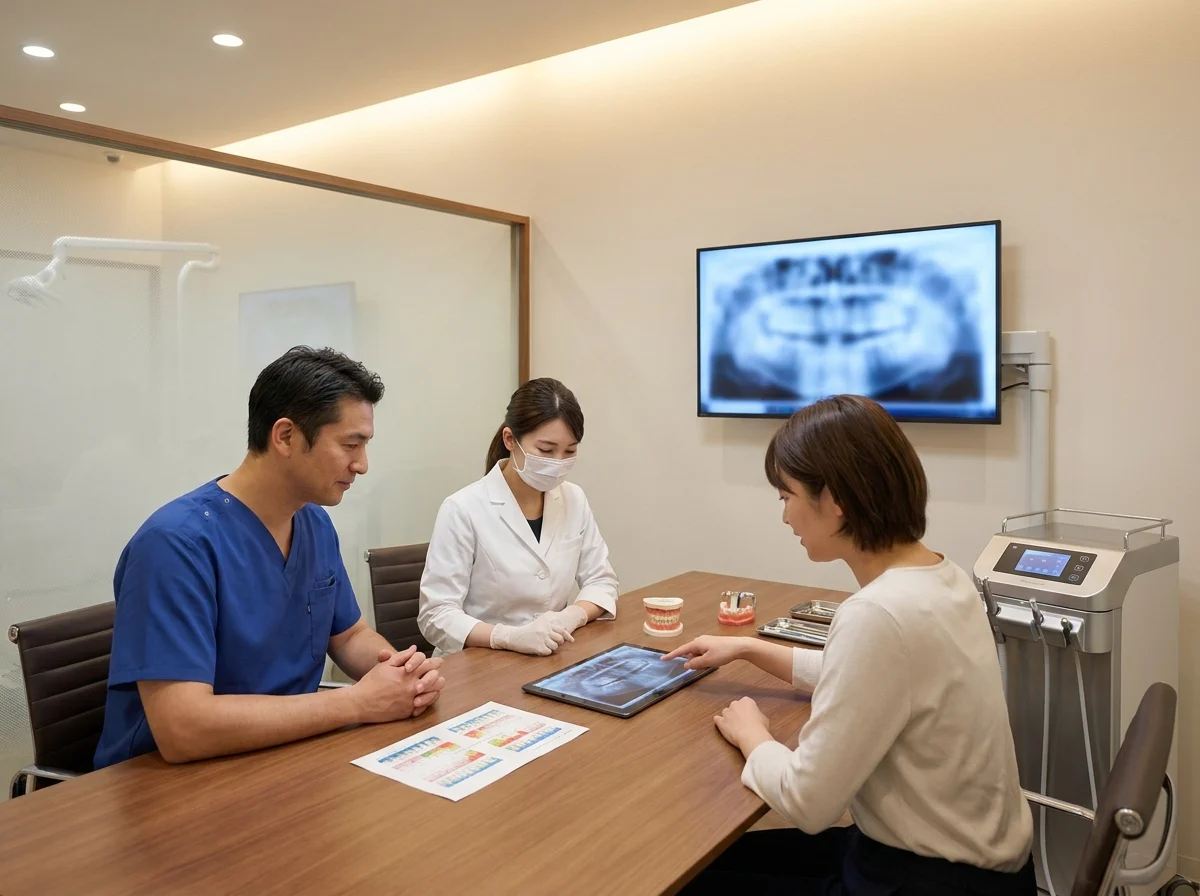
During the procedure, the patient is given local anesthesia to minimize discomfort. The periodontist then uses the laser to carefully remove diseased tissue and sterilize the area. After the procedure, patients may experience mild discomfort or swelling, but these symptoms generally resolve quickly.
Post-Procedure Care and Recovery
Recovery from LANAP is generally swift, with most patients returning to normal activities within a day or two. It is crucial, however, to follow post-procedure care instructions to ensure optimal healing. This includes maintaining good oral hygiene, attending follow-up appointments, and possibly adjusting dietary habits for a short period.
Patients should also be aware that LANAP is part of a comprehensive approach to periodontal care. Continued professional cleanings and possibly lifestyle changes, such as quitting smoking, may be necessary to maintain the health of gums and teeth.
Potential Risks and Considerations
While LANAP is generally safe and effective, as with any medical procedure, there are potential risks and considerations. Some patients may experience mild discomfort or swelling, though these are typically short-lived. In rare cases, there might be temporary increased sensitivity of the teeth.
It is important for patients to discuss any concerns with their periodontist and understand both the benefits and limitations of the procedure. Informed decision-making is key to successful periodontal treatment.
Is LANAP Right for You?
For many patients, LANAP offers a promising alternative to traditional gum surgery. Its minimally invasive nature, coupled with effective results, makes it an attractive option for those dealing with gum disease. Nonetheless, the decision to undergo LANAP should be made after careful consideration and consultation with a dental professional.
Understanding all aspects of LANAP, from its procedure to recovery, is essential for making an informed choice. With the right care and treatment, patients can achieve healthier gums and improved overall health.
As you weigh the benefits of LANAP against other treatment options, it’s important to consider your personal health goals and lifestyle. For some, the quick recovery and reduced discomfort make LANAP the ideal solution, especially for those with busy schedules or underlying health conditions that may complicate traditional surgery. For others, the potential for tissue and bone regeneration is an appealing feature that can provide long-term benefits for oral health.
Comparing LANAP with Other Gum Disease Treatments
When evaluating LANAP, it’s helpful to compare it with other common treatments for gum disease. Scaling and root planing, for example, is a non-surgical procedure used to treat early stages of gum disease. It involves cleaning below the gumline to remove plaque and tartar. While effective for mild cases, it may not be sufficient for more advanced periodontitis.
Traditional periodontal surgery, on the other hand, involves cutting the gums to remove tartar and diseased tissue. Though it can be effective, it often comes with longer recovery times and greater discomfort. LANAP offers a middle ground, providing the effectiveness needed for more severe cases without the invasiveness of traditional surgery.
Cost Considerations
Cost is often a significant factor in deciding on a treatment plan. While LANAP may have a higher upfront cost compared to some traditional methods, its benefits can lead to long-term savings. The quicker recovery time means less time away from work, and the reduced need for pain medication and follow-up procedures can further offset initial expenses.

Insurance coverage for LANAP varies, so it’s important to consult with your insurance provider to understand what is covered under your plan. Some dental practices also offer payment plans or financing options to make the procedure more accessible.
Success Rates and Long-Term Outcomes
LANAP has shown promising success rates in clinical studies. Patients often experience reduced pocket depths, decreased gum inflammation, and improved attachment levels. Importantly, the procedure supports the regeneration of bone and tissue, which are critical for maintaining the stability of teeth.
Long-term outcomes depend on several factors, including the severity of the initial gum disease and the patient’s commitment to oral care post-procedure. Regular dental check-ups and maintaining good oral hygiene are essential for sustaining the positive results of LANAP.
Patient Testimonials and Experiences
Many patients who have undergone LANAP report high satisfaction with the procedure. Common themes in testimonials include minimal pain during and after the procedure, quick recovery times, and noticeable improvements in gum health. These positive experiences can be reassuring for those considering LANAP as a treatment option.
However, it’s important to remember that individual experiences can vary. Consulting with your periodontist and discussing expectations can help ensure that you have a realistic understanding of the potential outcomes.
The Role of Technology in Modern Periodontal Care
The introduction of laser technology in dentistry is part of a broader trend toward minimally invasive procedures across medical fields. The precision of lasers allows for targeted treatment, reducing damage to surrounding healthy tissue and promoting faster healing. Innovations like LANAP are reshaping the landscape of periodontal care, making treatments more accessible and effective for a wider range of patients.
As technology continues to advance, we can expect further enhancements in the way gum disease is treated. Staying informed about these developments ensures that patients can make the best decisions for their dental health, taking advantage of the latest techniques and treatments available.
Final Thoughts on LANAP
LANAP represents a significant advancement in the treatment of gum disease, offering a combination of effectiveness, comfort, and convenience. Its ability to treat periodontal disease with minimal invasiveness makes it a valuable option for many patients. However, the decision to undergo LANAP should be made in consultation with a qualified dental professional, ensuring that it aligns with your specific needs and health goals.
By understanding the procedure, its benefits, and how it compares to other treatments, patients can approach their dental care with confidence. Whether you are dealing with early-stage gingivitis or more advanced periodontitis, exploring all available options, including LANAP, can lead to better oral health and improved quality of life.
Need help with LANAP Laser Gum Disease Treatment: What Patients Should Know?


