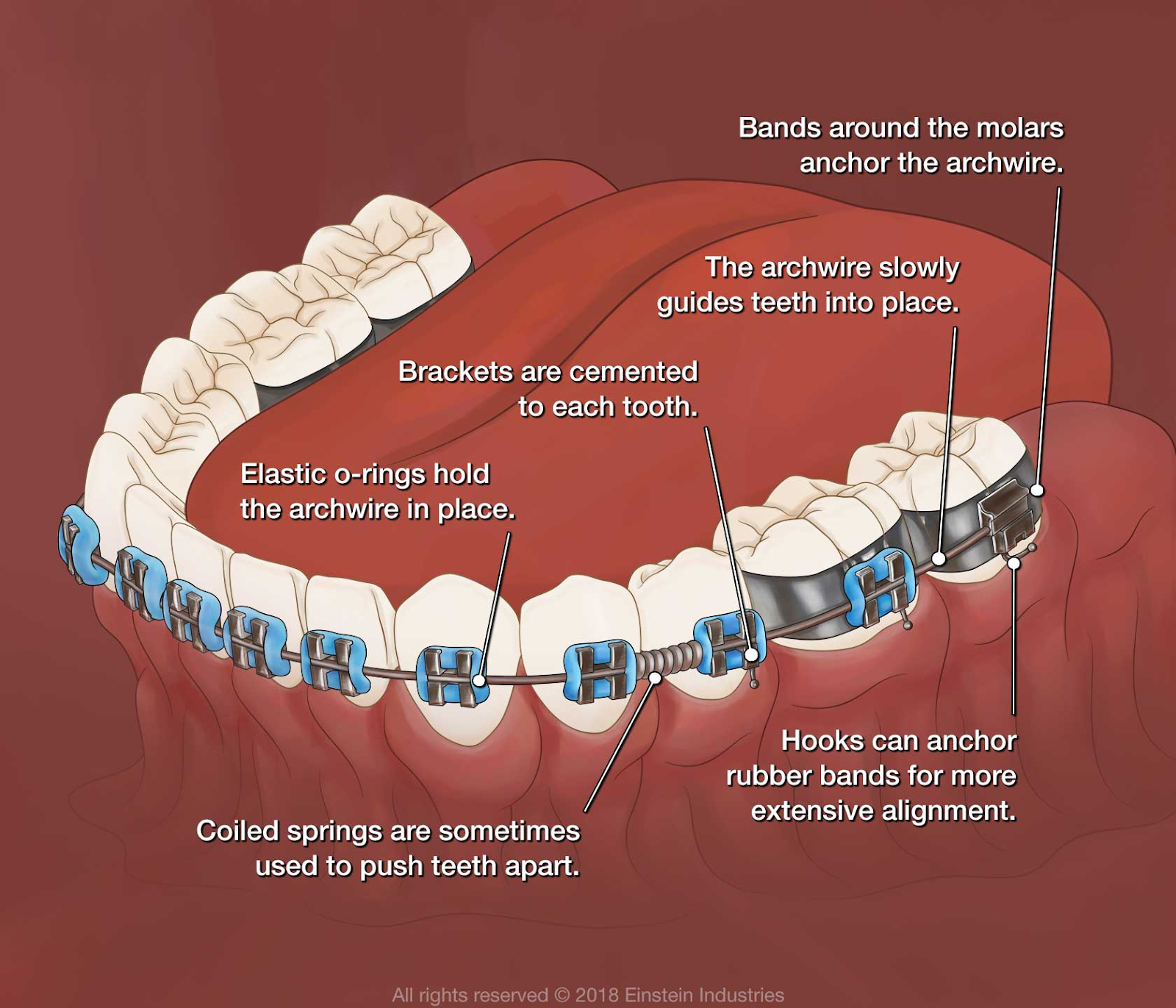
An underbite occurs when your lower teeth close over the top of your upper teeth. Underbites can cause difficulty chewing and speaking.
Caused by a misalignment of the jaw, an underbite can be corrected with a range of treatments to improve your comfort and appearance.
So how do I know if I need treatment for an underbite?
If Your Underbite Is More Than A Cosmetic Concern, You May Need To See An Othodontist
Do You Have Issues Eating or Speaking?
An underbite can interfere with normal daily activities, including chewing and speaking.
Do You Suffer from Chronic Pain?
For some patients, underbites cause chronic jaw pain, as well as head and earaches.
Do You Have Breathing Difficulties?
Underbites can also affect your breathing, causing chronic bad breath, sleep apnea, and snoring.
What does an underbite look like?
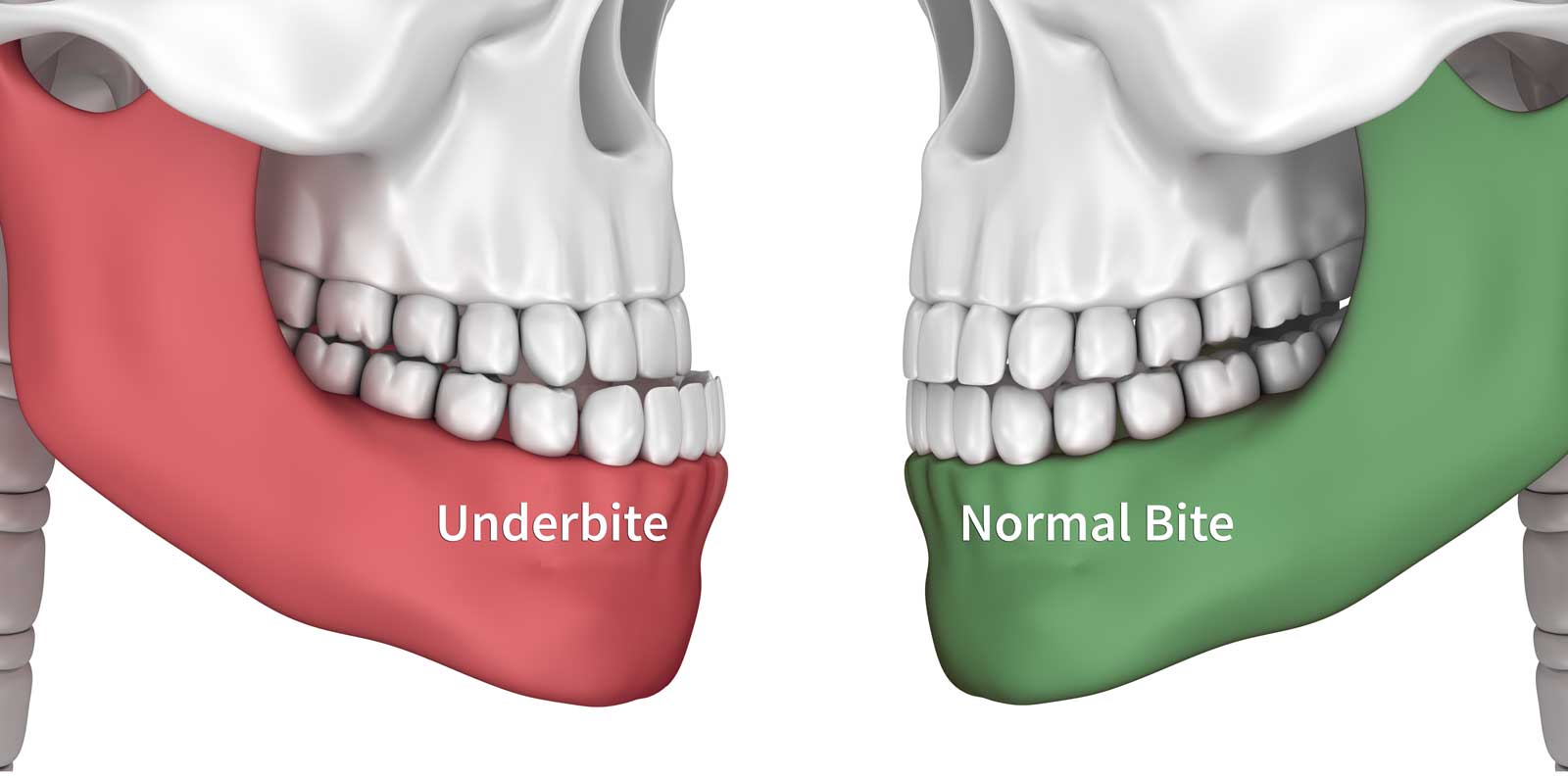
Underbites Have a Distinctive Appearance
Clinically referred to as a Class III Malocclusion, an underbite occurs when the bottom teeth noticeably protrude beyond the upper teeth.