
Oral health is a critical component of overall well-being, and understanding when to see a specialist versus a general practitioner can significantly impact the effectiveness of your dental care. While general dentists provide a wide range of services essential for maintaining oral health, periodontists specialize in the prevention, diagnosis, and treatment of gum disease and other conditions affecting the supporting structures of teeth. Knowing when to opt for a periodontist over a general dentist could save your gums and teeth from severe complications.
In this comprehensive guide, we’ll explore the specific circumstances under which seeing a periodontist might be more beneficial than visiting your usual general dentist. We’ll delve into the specialized skills and treatments periodontists offer, the symptoms that indicate you should see one, and the long-term benefits of specialized periodontal care.
Understanding the Role of Periodontists
Periodontists are dental professionals who specialize in the prevention, diagnosis, and treatment of periodontal disease and in the placement of dental implants. They receive extensive training beyond dental school, which equips them with the expertise needed to manage more complex periodontal cases. This specialization makes them particularly skilled at handling severe gum disease and its associated complications.
Unlike general dentists, periodontists focus on issues that affect the gums and bone supporting the teeth. Their training includes three additional years of education in these areas, allowing them to provide advanced treatments such as scaling and root planing, periodontal surgery, and regenerative procedures. This expertise is especially beneficial for patients with advanced gum diseases or those who require intricate dental surgeries.
The Importance of Specialized Care
Specialized care is crucial for conditions that go beyond the scope of general dentistry. While a general dentist can handle regular check-ups, fillings, and cleanings, a periodontist’s role is vital for more complex issues. Patients with chronic periodontal issues or those who have not responded to standard treatments by a general dentist might significantly benefit from a periodontist’s specialized skills.
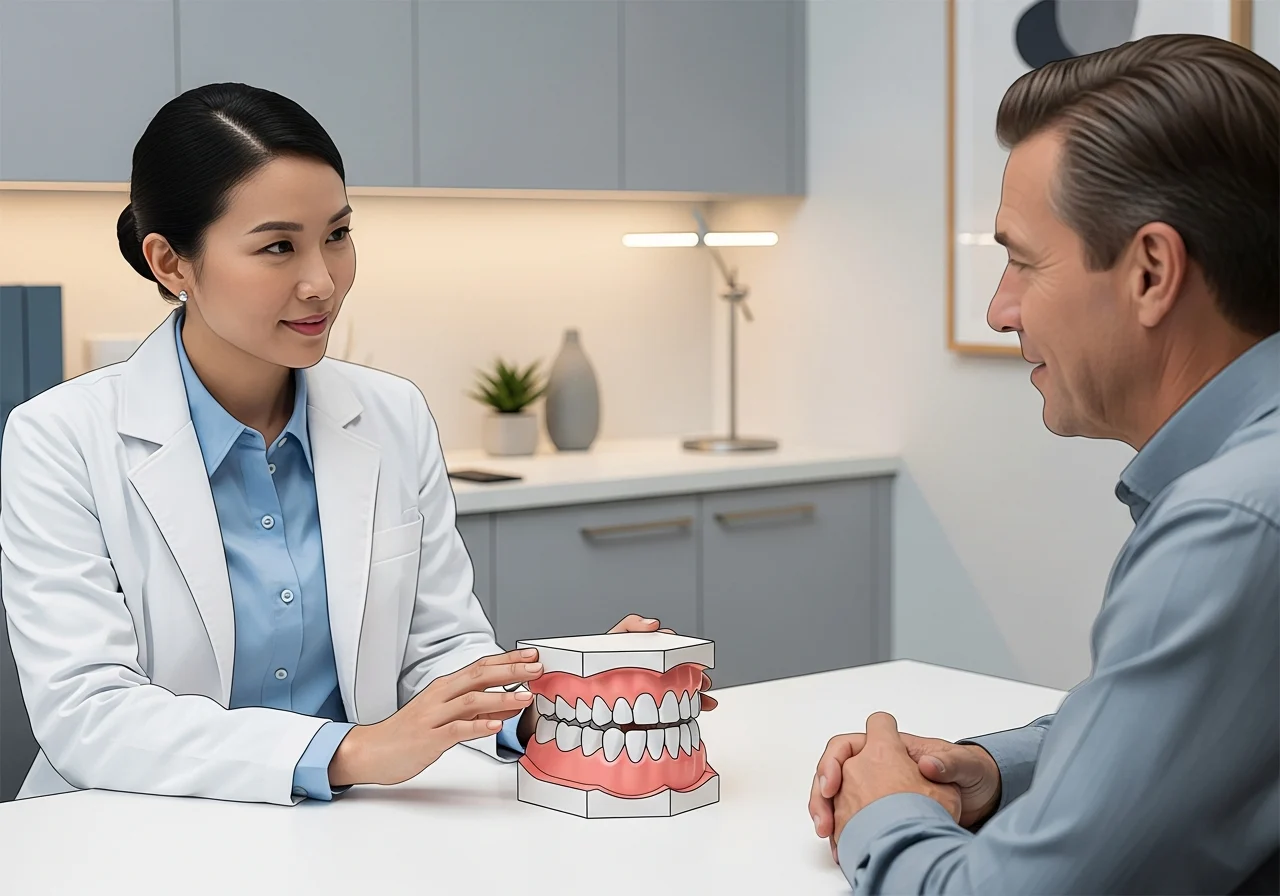
Signs That You Should See a Periodontist
Recognizing the signs that indicate a visit to a periodontist is crucial. Early intervention can prevent more severe complications and preserve the health of your gums and teeth. Here are some key symptoms that suggest you might need to see a periodontist:
Persistent Bad Breath or Taste
Chronic bad breath or a persistent bad taste in your mouth could be a sign of gum disease. While temporary bad breath can be attributed to dietary choices or poor oral hygiene, persistent issues often indicate underlying periodontal problems. A periodontist can diagnose and treat the root cause, ensuring your oral health is restored.
Bleeding or Receding Gums
Gums that bleed during brushing or flossing, or gums that are visibly receding, are significant indicators of periodontal disease. Receding gums can lead to exposure of the tooth roots, increasing sensitivity and risk for decay. A periodontist can offer treatments such as scaling and root planing or gum grafts to address these issues effectively.
Loose or Shifting Teeth
If you notice that your teeth are becoming loose or that your bite feels different, it could be a sign of advanced gum disease. Periodontists are equipped to handle these severe cases and can provide surgical interventions that might involve bone grafts or other regenerative procedures to stabilize your teeth.
Advanced Treatments Offered by Periodontists
Periodontists offer a range of advanced treatments not typically available through general dentistry. These treatments are designed to address complex periodontal issues and improve overall oral health. Let’s explore some of the specialized procedures and their benefits.

Scaling and Root Planing
This deep-cleaning procedure is often one of the first steps in treating gum disease. It involves removing plaque and tartar from above and below the gum line and smoothing out the tooth roots to help the gums reattach to the teeth. This procedure is crucial in halting the progression of gum disease and preventing tooth loss.
Periodontal Surgery
For advanced cases of gum disease, surgical interventions might be necessary. Periodontists can perform flap surgery to remove tartar deposits in deep pockets, reduce periodontal pockets, and smooth areas of damaged bone. This helps the gums to reattach securely to healthy bone, preventing further disease progression.
Dental Implants
In cases of tooth loss, periodontists are skilled in placing dental implants. These implants act as artificial tooth roots, providing a strong foundation for replacement teeth. The expertise of a periodontist ensures that implants are placed accurately and securely, supporting long-term oral health and function.
Long-term Benefits of Periodontal Care
Investing in specialized periodontal care offers numerous long-term benefits, beyond just treating immediate symptoms. Regular visits to a periodontist can help maintain optimal oral health, prevent future complications, and even improve overall systemic health.
Prevention of Future Dental Issues
Periodontal care doesn’t just address current problems; it also plays a crucial role in preventing future issues. Regular monitoring and maintenance by a periodontist can catch early signs of gum disease, allowing for prompt intervention. This proactive approach helps avoid more invasive procedures down the line and preserves the natural teeth and gums for as long as possible.

Improved Systemic Health
Emerging research has linked periodontal health to systemic conditions such as heart disease, diabetes, and respiratory diseases. By managing gum disease effectively, periodontists can help reduce the risk of these serious health problems. This underscores the importance of periodontal care not just for oral health, but for overall well-being.
Takeaways
Knowing when to see a periodontist instead of a general dentist is crucial for maintaining optimal oral health. While general dentists are essential for routine care, periodontists offer specialized expertise that is invaluable for managing complex gum-related issues. Whether you’re dealing with persistent gum disease, need advanced treatments, or simply want to ensure the long-term health of your gums and teeth, a periodontist can provide the care you need.
Ultimately, the decision to see a periodontist should be informed by the specific symptoms and conditions you experience. By understanding the unique role of these specialists and recognizing the signs of periodontal disease, you can take proactive steps to protect your oral health and improve your quality of life.
It’s crucial to maintain an open dialogue with your dental care providers to determine the best course of action for your specific oral health needs. If you’re experiencing symptoms indicative of periodontal disease or require specialized treatments, consulting with a periodontist may be the most appropriate step. The key is to not delay seeking expert advice, as early intervention can significantly affect outcomes.

The Collaborative Approach to Dental Care
One often overlooked aspect of dental care is the collaborative approach between general dentists and periodontists. This partnership can enhance patient outcomes by combining the broad focus of general dentistry with the specialized skills of periodontics. Let’s explore how this collaborative model works and its benefits to patients.
Referrals and Coordinated Care
General dentists play a vital role in identifying potential periodontal issues during routine check-ups. When they notice signs of advanced gum disease that require specialized attention, they can refer patients to a periodontist. This referral system ensures that patients receive the most appropriate care for their condition. Coordinated care between these professionals helps craft a comprehensive treatment plan tailored to each patient’s needs.
Integrated Treatment Plans
In cases where dental issues involve both routine and specialized care, an integrated treatment plan becomes essential. General dentists and periodontists can work collaboratively to manage both the health of the teeth and gums, ensuring consistent care across all dental needs. This integrated approach can also lead to more efficient use of resources and better health outcomes, as it allows for seamless transitions between different types of care.
How to Choose the Right Periodontist
Choosing the right periodontist can significantly impact your treatment outcomes. Here are some factors to consider when selecting a specialist to address your periodontal needs:
Experience and Qualifications
It’s essential to consider the qualifications and experience of the periodontist. Board certification and years of practice are good indicators of expertise. Additionally, inquire about their experience with the specific procedures you might need, such as dental implants or regenerative surgeries.

Patient Reviews and Recommendations
Patient reviews and recommendations can provide insights into a periodontist’s practice. Online reviews, testimonials, and word-of-mouth referrals from friends or family can help you gauge patient satisfaction and the quality of care provided. It’s beneficial to choose a periodontist who is well-regarded for both their technical skills and their patient communication style.
Comfort and Communication
Your comfort with the periodontist is crucial. During initial consultations, assess how well they explain procedures and address your concerns. A good periodontist should make you feel at ease and provide clear information about your diagnosis and treatment options, allowing you to make informed decisions about your oral health.
Moving Forward with Confidence
Understanding when to see a periodontist instead of a general dentist empowers you to take control of your oral health journey. With specialized care, you can address complex periodontal conditions effectively and prevent future complications. By collaborating with both your general dentist and periodontist, you can ensure comprehensive care that supports both the health and aesthetics of your smile.
As you move forward, prioritize regular dental visits, stay informed about your oral health, and don’t hesitate to seek specialized care when needed. This proactive approach will help you maintain a healthy, confident smile for years to come.